What Is The Difference Between Heat Seal Paper And Pe-Coated Paper?
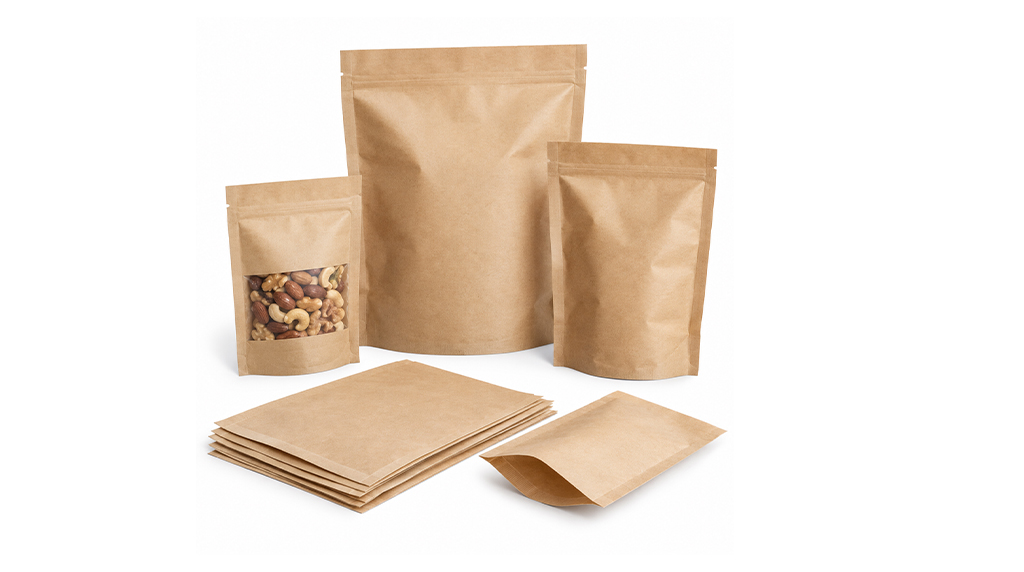
The main difference between Heat Seal Paper and PE-coated paper is the type and purpose of the coating or sealing layer applied to the paper substrate. Heat seal paper is specifically designed to form a seal when exposed to controlled heat, while PE-coated paper uses polyethylene as a coating that can provide moisture resistance, grease resistance, and heat-sealing capability depending on its structure and application.
Although these two materials can be used for similar packaging applications, they are not necessarily interchangeable. Their sealing behavior, barrier properties, recyclability, processing requirements, and end-use performance can differ significantly.
What Is Heat Seal Paper?
Heat seal paper is paper that has been engineered with a heat-activated sealing layer or coating. When the material is exposed to an appropriate combination of heat, pressure, and dwell time, the sealing layer softens or activates and bonds with another compatible surface.
The term heat sealing paper describes the material based primarily on its ability to participate in a heat-sealing process. The sealing layer does not necessarily have to be polyethylene.
Depending on the intended application, heat seal paper can be designed with additional properties such as grease resistance, moisture resistance, oxygen barrier performance, printability, and compatibility with food packaging requirements.
What Is PE-Coated Paper?
PE-coated paper is paper laminated or coated with polyethylene, commonly referred to as PE. The polyethylene layer can provide the paper with improved resistance to water, moisture, and certain liquids.
PE-coated paper is widely used in packaging and disposable food-service products because the polymer coating can protect the paper substrate from direct exposure to liquids and help improve package durability.
Some PE-coated structures can also be heat sealed. However, the fact that a paper contains PE does not automatically mean that every PE-coated paper is designed for the same heat-sealing performance as a purpose-developed heat seal coated paper.
Is All Heat Seal Paper PE Coated?
No. Heat seal paper does not necessarily mean PE-coated paper.
A heat-sealable structure can use different types of sealing layers depending on the required performance and end application. Some products are developed specifically to provide heat-sealing functionality while maintaining particular requirements related to recyclability, compostability, barrier properties, or packaging performance.
Therefore, buyers should look at the actual material structure and technical specifications rather than assuming that all heat-sealable paper uses PE.
How Do Their Coatings Differ?
The primary difference is the function and chemistry of the coating system.
PE-coated paper uses polyethylene as its polymer coating. The PE layer can create a continuous barrier between the paper and external moisture or liquids.
A heat sealable paper may use a specialized heat-activated coating engineered to achieve a particular sealing temperature, bond strength, opening behavior, or compatibility with another packaging layer.
In practical terms, this means two papers with similar thickness and appearance can behave differently on a packaging machine because their coating systems have different activation and bonding characteristics.
How Do Heat Seal Paper and PE-Coated Paper Compare in Heat Sealing?
Heat sealing performance depends on the specific construction rather than simply the name of the material.
For heat seal paper, the sealing layer is specifically selected or engineered to create a bond under defined heat-sealing conditions. Manufacturers may specify recommended sealing temperature, pressure, and dwell time.
PE-coated paper can also be heat sealed when the polyethylene layer and paper structure are designed for that purpose. However, the suitable processing window depends on factors such as PE type, coating thickness, sealing equipment, temperature, and pressure.
For this reason, packaging manufacturers should conduct actual seal-strength testing rather than choosing a material based only on whether it contains PE.
Which Material Has Better Moisture Resistance?
PE-coated paper is generally designed to provide a strong moisture barrier because polyethylene forms a relatively continuous hydrophobic polymer layer over the paper.
However, the moisture resistance of heat seal paper varies considerably according to its coating system and construction. Some heat seal packaging paper products can also provide significant moisture resistance when engineered with appropriate barrier layers.
The correct comparison should therefore be based on measured water vapor transmission, liquid resistance, Cobb value, or other relevant test data rather than the material name alone.
What About Grease Resistance?
Grease resistance is particularly important for food packaging, bakery products, snacks, takeaway products, and other applications involving oils or fats.
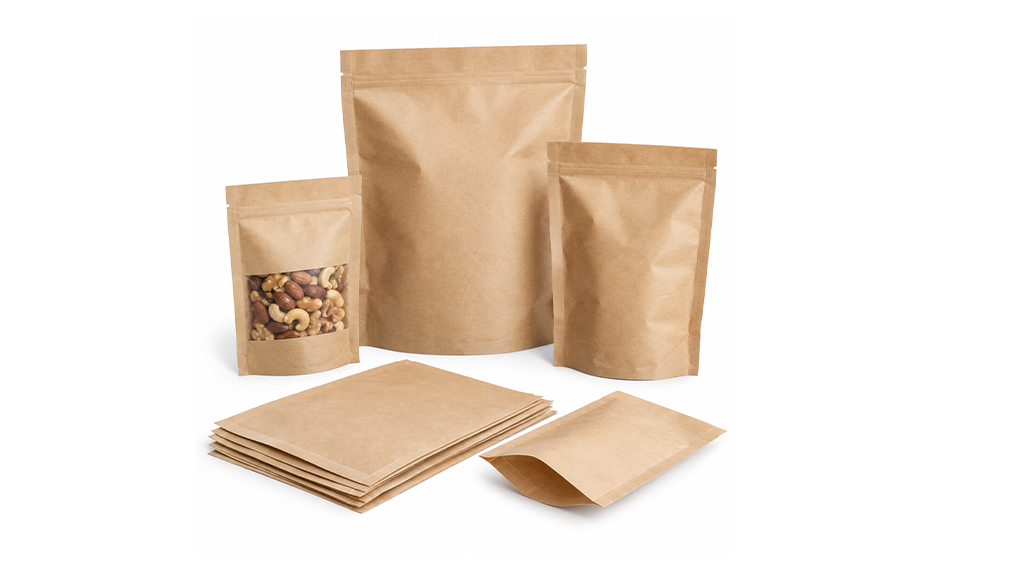
Some heat seal paper products are engineered with grease-resistant coatings so that the packaging can provide both sealing functionality and resistance to oil penetration.
PE coatings can also provide resistance to many liquids and oily substances, but performance depends on the coating structure, thickness, temperature, and specific product being packaged.
Is Heat Seal Paper More Environmentally Friendly Than PE-Coated Paper?
Environmental performance cannot be determined simply by comparing the words "heat seal" and "PE." The complete packaging structure, coating composition, recycling infrastructure, manufacturing process, and end-of-life pathway all need to be considered.
PE-coated paper can be more difficult to process in some conventional paper recycling systems because the polymer layer needs to be separated or managed during recycling.
Some newer heat seal paper structures are designed to reduce or eliminate conventional plastic coatings, but their environmental characteristics depend on the exact formulation and applicable certification or recycling system.
For buyers seeking sustainable packaging, it is important to request specific information about coating composition, recyclability, compostability, certification, and disposal requirements.
Which Material Is Better for Food Packaging?
Both materials can be used for food packaging, but suitability depends on the specific food product and packaging format.
Important considerations include food-contact compliance, grease resistance, moisture resistance, aroma protection, sealing performance, storage conditions, filling temperature, and expected shelf life.
For example, a dry bakery product may have different packaging requirements from a product containing high levels of oil or moisture. A packaging material should therefore be selected according to the complete application rather than simply choosing between heat seal paper and PE-coated paper.
How Should You Choose Between Heat Seal Paper and PE-Coated Paper?
When selecting packaging material, buyers should consider the following factors:
Required sealing temperature: Check whether the material fits the existing packaging equipment.
Seal strength: Determine the required bond strength for transportation and handling.
Barrier performance: Evaluate moisture, grease, oxygen, and other relevant barriers.
Packaging format: Consider whether the material will be used for bags, pouches, sachets, wrappers, or other structures.
Food-contact requirements: Confirm compliance when the material directly contacts food.
Environmental requirements: Review recyclability, coating composition, and applicable certifications.
Printing requirements: Check surface compatibility with the intended printing process.
Machine compatibility: Test the material using the actual sealing equipment and production conditions.
Heat Seal Paper vs. PE-Coated Paper: Key Differences
| Feature | Heat Seal Paper | PE-Coated Paper |
|---|---|---|
| Primary definition | Paper designed with a heat-activated sealing layer | Paper coated or laminated with polyethylene |
| Heat sealing | Designed specifically for heat sealing | Can be heat sealed when the structure is designed for it |
| Coating type | Can use different heat-sealing coating systems | Polyethylene |
| Moisture resistance | Depends on coating structure | Generally provides good moisture resistance |
| Food packaging | Can be developed for food packaging applications | Widely used in food and liquid-resistant packaging |
| Environmental profile | Depends on the coating and complete structure | Depends on PE content, recycling system, and packaging structure |
Conclusion
The difference between heat seal paper and PE-coated paper mainly lies in their coating systems and intended performance. Heat seal paper is defined by its ability to form a seal under controlled heat, while PE-coated paper is specifically characterized by its polyethylene coating.
There can be overlap between the two. A PE-coated paper can be heat sealable, while a heat seal paper can use a sealing coating other than PE. Therefore, packaging buyers should evaluate the complete material structure, sealing conditions, barrier performance, food-contact requirements, and environmental specifications before making a selection.
For manufacturers developing paper-based packaging, technical testing under actual production conditions is one of the most reliable ways to determine whether a particular heat seal packaging paper meets the requirements of the final application.