
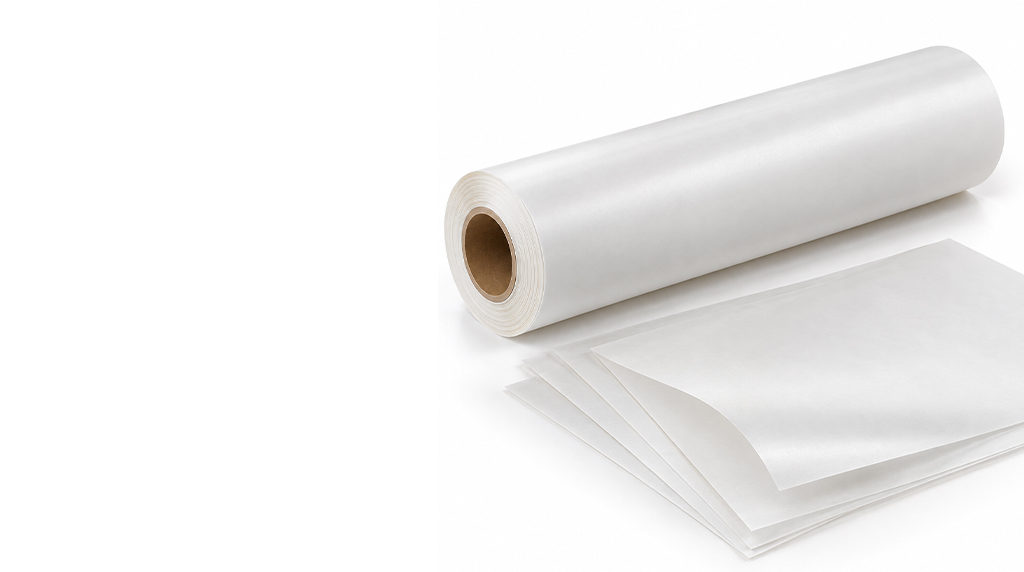
How Do You Test The Heat Seal Strength Of Paper Packaging?
To test the heat seal strength of paper packaging, a sealed sample is prepared under controlled temperature, pressure, and dwell time, then tested with a tensile or peel test to measure the force required to separate the seal. The results help manufacturers evaluate whether Heat Seal Paper can maintain a reliable package closure during filling, transportation, storage, and handling.
For manufacturers and packaging buyers, heat seal strength is an important performance factor when selecting heat sealing paper. A package may have a suitable appearance and good print quality, but if the seal is weak, it can open during transportation or allow moisture, oxygen, oil, or other contaminants to enter the package.
What Is Heat Seal Strength?
Heat seal strength refers to the force required to separate two surfaces that have been joined through a heat sealing process. In paper packaging, the sealing layer or coating softens under controlled heat and pressure, allowing the surfaces to bond together.
The actual strength of a seal depends on more than the paper itself. Important variables include sealing temperature, pressure, dwell time, coating formulation, paper structure, moisture content, and the compatibility of the sealing surfaces.
For heat sealable paper, manufacturers normally evaluate these factors together rather than relying on a single material specification.
Why Is Heat Seal Strength Important?
A reliable seal helps packaging remain closed throughout the product's intended lifecycle. This is particularly important for food, beverage, pharmaceutical, agricultural, and consumer product packaging.
Insufficient sealing strength can result in open bags, leakage, contamination, product loss, or reduced shelf life. Excessive sealing strength can also create problems if the package needs to be opened easily or if the paper tears during seal separation.
For this reason, the objective is not necessarily to achieve the highest possible seal strength. Instead, manufacturers should establish a suitable sealing range based on the packaging application and required performance.
How Do You Prepare Samples for Heat Seal Testing?
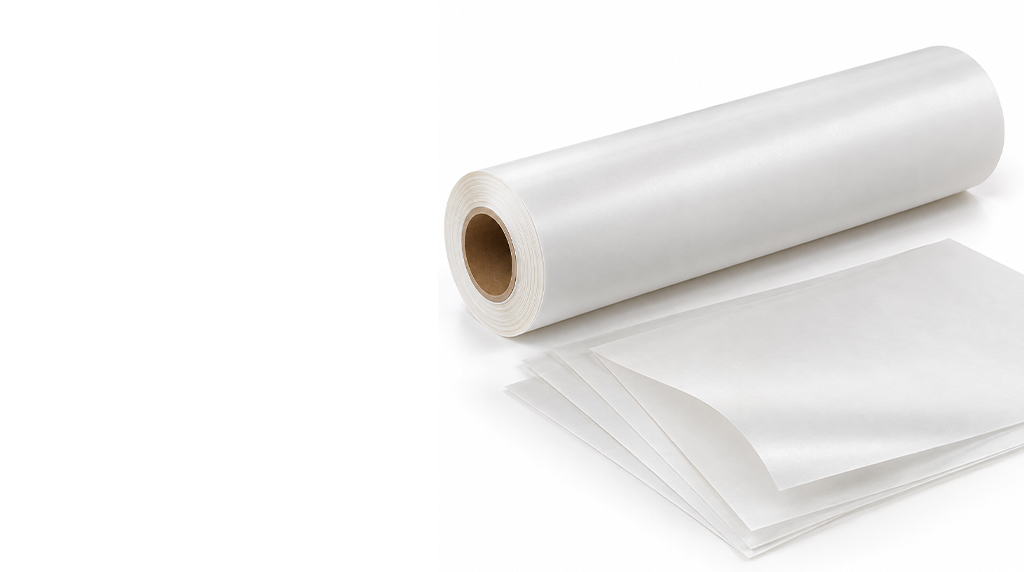
The first step is to prepare representative samples of the finished packaging material. If the material is supplied as a roll, samples should be taken from different sections when appropriate to identify potential variation.
The samples should normally be conditioned under controlled environmental conditions before testing. Temperature and humidity can influence paper moisture content and therefore affect sealing behavior.
Two pieces of the heat seal packaging paper are then placed with their heat-sealable surfaces facing each other. A controlled sealing device is used to create the seal.
What Sealing Parameters Should Be Controlled?
Three major parameters are normally controlled during heat sealing:
Sealing temperature: The temperature applied to activate the heat-sealing layer.
Sealing pressure: The pressure used to bring the sealing surfaces into contact.
Dwell time: The length of time the sealing surfaces remain under heat and pressure.
Changing any of these parameters can change the resulting seal strength. For example, a temperature that is too low may prevent the coating from forming an adequate bond, while excessive temperature may damage the paper or sealing layer.
How Is Heat Seal Strength Measured?
After the samples have been sealed, the sealed area is cut into test strips with a consistent width. The strip is then placed in a tensile testing machine.
The machine pulls the two sides of the package apart at a controlled speed and records the force required to separate the seal. The result is commonly expressed as force per unit width, such as N/15 mm or N/25 mm, depending on the test method and laboratory practice.
The test should be repeated on multiple specimens to obtain representative results. Average values can then be calculated, while unusually high or low results should be investigated rather than automatically ignored.
What Does the Test Tell You About Heat Seal Paper?
The test provides information about how the material behaves under a specific set of sealing conditions. It can help manufacturers determine whether the sealing layer forms a consistent bond and whether the material is suitable for a particular packaging process.
Testing can also identify an appropriate operating window. For example, a manufacturer may test several sealing temperatures while keeping pressure and dwell time constant. The resulting data can show how seal strength changes as temperature increases.
This is especially useful when developing new heat seal coated paper or optimizing an existing packaging structure.
What Factors Can Affect Heat Seal Strength?
Several factors can influence the final result:
Paper Structure
Paper basis weight, thickness, surface properties, and fiber structure can affect heat transfer and mechanical performance during sealing.
Heat-Sealing Coating
The formulation and thickness of the sealing coating have a direct influence on seal formation. Different coatings can have different activation temperatures and bonding characteristics.
Moisture Content
Paper is hygroscopic, meaning it can absorb and release moisture depending on the surrounding environment. Variations in moisture can affect dimensional stability, heat transfer, and sealing consistency.
Sealing Conditions
Temperature, pressure, and dwell time must be controlled consistently. A change in one parameter can influence the entire sealing process.
Contamination
Dust, oil, product particles, or other contaminants trapped between sealing surfaces can reduce the effective contact area and weaken the seal.
What Is the Difference Between Seal Strength and Seal Integrity?
Seal strength and seal integrity are related but not identical. Seal strength measures the force required to separate a seal, while seal integrity concerns whether the sealed package remains properly closed and performs its intended barrier or containment function.
A packaging material can therefore require a relatively high force to peel apart while still having defects such as channels, incomplete bonding, or localized weak points.
For commercial packaging development, heat seal strength testing should therefore be combined with appropriate visual inspection and package integrity testing.
How Can Manufacturers Improve Heat Seal Strength?
If test results are below the required specification, manufacturers can investigate several areas. Adjusting sealing temperature, pressure, or dwell time may improve bonding. The coating formulation or coating weight may also need to be reviewed.
Manufacturers should avoid simply increasing the temperature without understanding the material. Excessive heat can cause coating degradation, paper discoloration, deformation, or other undesirable effects.
Consistent raw materials, controlled storage conditions, clean sealing surfaces, and properly calibrated sealing equipment can also contribute to more stable results.
Conclusion
Testing the heat seal strength of paper packaging involves preparing controlled samples, applying defined sealing conditions, and measuring the force required to separate the resulting seal. Temperature, pressure, dwell time, paper structure, coating properties, and environmental conditions should all be considered when evaluating heat seal paper.
For packaging manufacturers, systematic heat seal testing provides useful data for material selection, process optimization, and quality control. Instead of evaluating a heat sealable paper only by appearance or basic specifications, testing its sealing performance under realistic processing conditions can provide a more reliable basis for packaging development.