What Is Burger Wraps for Food Packaging?
What Is Burger Wraps for Food Packaging?
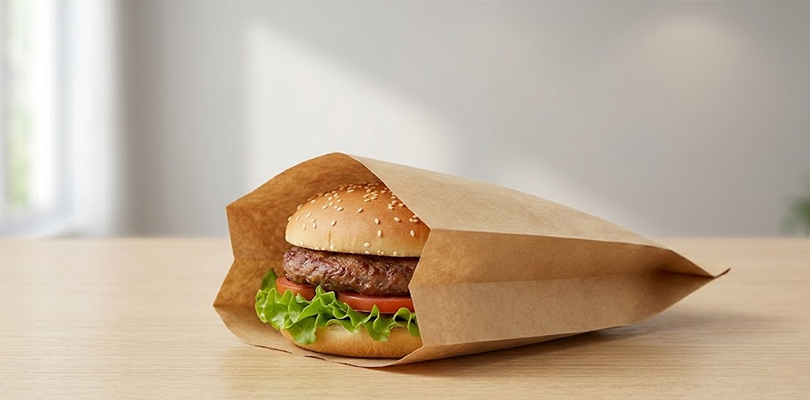
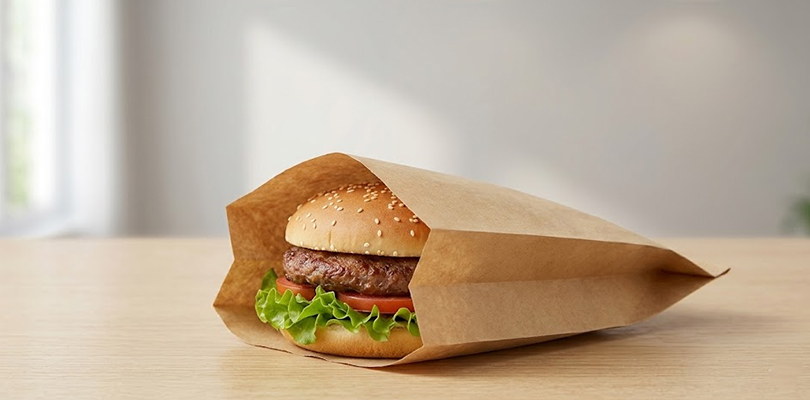
Burger Wraps for food packaging are food-safe paper materials designed to wrap burgers while protecting them from grease, moisture, and external contaminants. High-quality Burger Wraps help keep burgers intact, improve handling, and enhance food presentation during dine-in, takeaway, and delivery. Commonly made from greaseproof, kraft, or coated food-grade paper, Burger Wrapping Paper is widely used by restaurants, caf茅s, food trucks, and fast-food chains. In addition to preserving food quality, Burger Packaging Paper can be customized with logos and brand designs, making it both a practical packaging solution and an effective marketing tool.
Why Are Burger Wraps Important in Food Packaging?
Packaging is an essential part of the customer experience, especially in the fast-food industry. A freshly prepared burger contains meat juices, sauces, vegetables, cheese, and other ingredients that can quickly make ordinary paper soggy. Without proper wrapping, grease and moisture may leak through the paper, affecting food appearance and customer satisfaction.
This is why businesses choose professional Burger Wraps instead of standard paper. Food-grade wrapping paper creates a protective barrier that helps maintain product quality from the kitchen to the customer. Whether the burger is served immediately or delivered several kilometers away, the right packaging helps preserve its appearance and makes it easier to eat.
For restaurants and takeaway businesses, quality packaging also reduces waste caused by damaged or leaking food, improving operational efficiency and customer confidence.
What Materials Are Burger Wraps Made Of?
Modern Burger Wrapping Paper is available in several materials, each designed for different food packaging needs.
Greaseproof Paper is one of the most popular choices because it resists oil penetration while remaining lightweight and food-safe. It is suitable for burgers, sandwiches, pastries, and other oily foods.
Kraft Paper is valued for its natural appearance and durability. Many brands choose kraft Burger Paper because it supports a simple, eco-friendly brand image while providing reliable wrapping performance.
Wax-Coated Paper offers additional resistance to grease and moisture, making it suitable for burgers with rich sauces or high-fat ingredients.
Some manufacturers also produce Burger Packaging Paper with water-based barrier coatings or PFAS-free technologies to improve performance while supporting more environmentally responsible packaging solutions.
The choice of material depends on the type of food, transportation time, branding requirements, and local environmental regulations.
What Are the Benefits of Using Burger Wraps?
One of the biggest advantages of Burger Wraps is food protection. The paper helps reduce grease leakage, keeps ingredients together, and minimizes direct hand contact with food, creating a cleaner eating experience.
Another important benefit is temperature retention. While wrapping paper is not intended to insulate food like foil, it helps reduce heat loss during short transportation periods and supports better product presentation when customers receive their meals.
Branding is another reason many businesses invest in custom Burger Wrapping Paper. Printed logos, brand colors, promotional messages, and seasonal graphics transform ordinary packaging into a valuable marketing tool. Every wrapped burger becomes an opportunity to increase brand visibility without additional advertising costs.
Operational efficiency also improves when businesses use quality wrapping paper. Durable paper is easier for employees to handle during busy service hours and reduces packaging failures caused by tearing or excessive grease absorption.
How to Choose the Right Burger Wrapping Paper
Selecting the right Burger Wraps involves more than choosing a paper size. Businesses should evaluate several factors before placing an order.
The first consideration is food safety. Packaging should be manufactured from food-grade materials suitable for direct food contact.
Next is grease resistance. Burgers with cheese, bacon, or rich sauces require wrapping paper that can effectively prevent oil from soaking through.
Paper weight is also important. Lighter papers are flexible and economical, while heavier papers provide greater strength for larger burgers.
Businesses offering takeaway or delivery services should also consider moisture resistance, particularly if food will remain wrapped for extended periods.
For companies focused on branding, custom printing quality is equally important. High-resolution printing with food-safe inks ensures logos and graphics remain clear without affecting food safety.
Finally, sustainability has become an important purchasing factor. Many buyers now prefer recyclable, biodegradable, compostable, or FSC-certified paper products to support environmental initiatives and meet consumer expectations.
F&Q
What are Burger Wraps made of?
Most Burger Wraps are manufactured from food-grade greaseproof paper, kraft paper, wax-coated paper, or barrier-coated paper designed for direct food contact.
Are Burger Wraps safe for food?
Yes. Professional Burger Wrapping Paper is produced using food-safe materials and inks that comply with food contact requirements.
Can Burger Wraps be custom printed?
Yes. Manufacturers can print logos, brand colors, promotional graphics, and custom designs using food-grade printing processes.
Are Burger Wraps environmentally friendly?
Many Burger Packaging Paper products are recyclable, biodegradable, compostable, or made from responsibly sourced paper, depending on the material and coating selected.
What should businesses consider when buying Burger Wrapping Paper?
Key considerations include food safety, grease resistance, moisture resistance, paper weight, print quality, customization options, sustainability, minimum order quantity, and supplier manufacturing capabilities.