One of the biggest advantages of Transfer Art Paper is its versatility.Buyers often ask whether a single type of Transfer Art Paper can be used across different materials such as fabric,wood,or metal.The short answer is yes—but with important conditions.The performance of Transfer Art Paper depends heavily on the coating formulation,transfer method,and surface preparation of the target material.
Fabric is the most common and widely recognized application for Transfer Art Paper.In textile printing,Transfer Art Paper allows detailed images to be transferred onto cotton,polyester,blends,and other fabrics using heat and pressure.The coating on the paper bonds with the fibers of the fabric,creating a durable and visually appealing print.For apparel manufacturers and custom clothing brands,Transfer Art Paper offers flexibility,low setup cost,and the ability to produce small or large batches efficiently.
However,not all fabrics behave the same way.Natural fibers like cotton absorb ink and adhesive differently from synthetic fibers such as polyester.High-quality Transfer Art Paper designed for textiles often specifies fabric compatibility and recommended transfer temperatures.Using the wrong paper on a particular fabric can lead to poor adhesion,color distortion,or reduced wash durability.
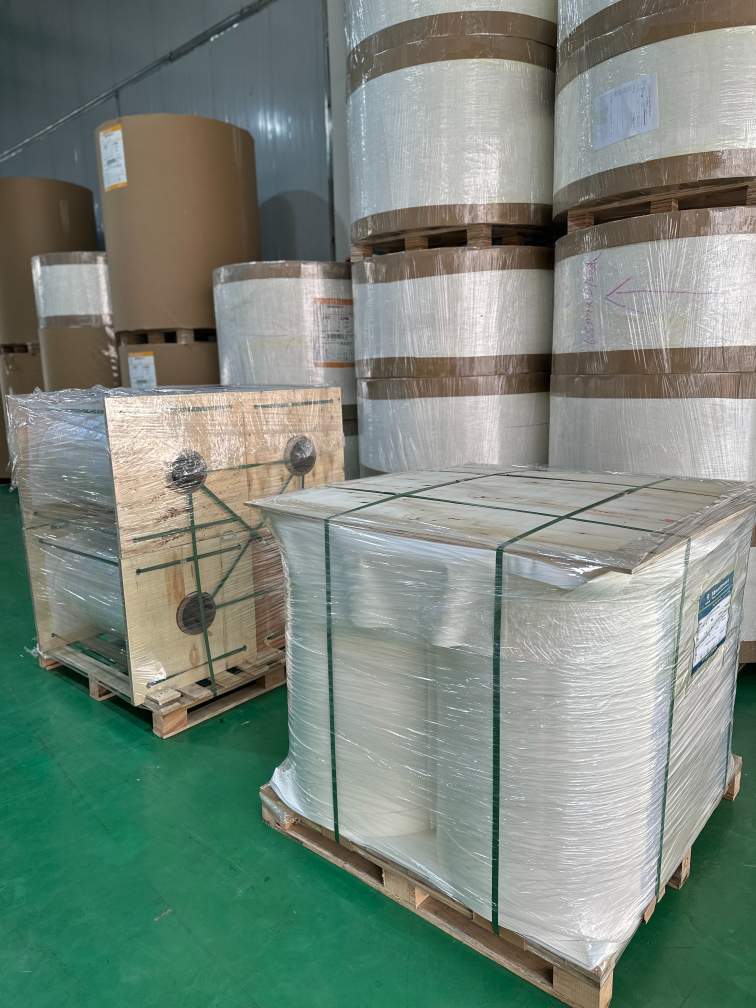
When it comes to wood,the use of Transfer Art Paper becomes more specialized but equally effective when done correctly.Wood surfaces are porous and textured,which can affect how well the transferred image adheres.Smooth,sealed,or lightly coated wood surfaces generally produce the best results.In this application,Transfer Art Paper is often used for decorative panels,signage,furniture accents,or artistic crafts.
The key to successful transfer onto wood lies in surface preparation.Sanding the wood to create a smooth surface and applying a sealing layer can dramatically improve the final result.Some Transfer Art Paper products are specifically engineered to release ink or toner more effectively onto rigid or semi-porous materials.In these cases,heat is still commonly used,but pressure distribution becomes especially important to ensure even transfer across the surface.
Metal applications represent one of the more advanced uses of Transfer Art Paper.Metals such as aluminum,steel,or coated metal panels require a surface that can accept the transferred image.Bare metal is typically not suitable unless it has been treated or coated with a compatible layer.Many industrial and promotional applications use pre-coated metal surfaces designed to work with Transfer Art Paper.
In metal transfer processes,Transfer Art Paper often serves as an intermediate carrier.The image is transferred from the paper onto a coated metal surface using heat and pressure,resulting in a permanent and durable finish.This method is commonly used for nameplates,decorative metal signs,and branded components.Compared to fabric transfers,metal transfers usually demand higher temperatures and more precise process control.
One important factor across all materials is the type of Transfer Art Paper used.Papers designed for fabric may not perform well on wood or metal,and vice versa.Manufacturers often develop different coating formulations to optimize adhesion,color vibrancy,and durability for specific surfaces.This is why professional buyers should always evaluate product specifications rather than assuming universal compatibility.
Durability expectations also vary by material.On fabric,durability is measured by wash resistance and flexibility.On wood,resistance to abrasion and environmental exposure becomes more important.On metal,long-term adhesion,scratch resistance,and color stability are key concerns.High-quality Transfer Art Paper is engineered to meet these varying demands,but only when used within its intended application range.
From a business perspective,the ability to use Transfer Art Paper across multiple materials opens up significant opportunities.Manufacturers and printers can expand their product offerings without investing in entirely new production systems.By selecting the right Transfer Art Paper and adjusting process parameters,it is possible to achieve consistent,professional results on fabric,wood,and metal alike.
In summary,Transfer Art Paper can be used on fabric,wood,and metal,but success depends on choosing the correct paper type and following proper preparation and transfer procedures.Fabric remains the most straightforward application,while wood and metal require more controlled conditions and specialized coatings.Understanding these differences helps buyers maximize the value and versatility of Transfer Art Paper in both creative and industrial applications.

is a new material enterprise with innovative coating and coating technology as its core competitiveness, and enjoys a wide reputation in the industry.

Copyright © 2026 Dongguan Ruize Creative Arts New Materials Co., Ltd. All rights reserved.



 English