When it comes to packaging food products,safety and consumer trust are top priorities.In recent years,paper seal packaging has emerged as a reliable option for businesses seeking both eco-friendly solutions and secure product protection.Many companies are now asking whether paper seal packaging can effectively prevent tampering and maintain the safety of food products,and the answer is increasingly positive as innovations in material and design continue to advance.
One of the main advantages of paper seal packaging is its ability to provide a visible tamper-evident feature.Unlike traditional packaging that may be easily opened and resealed without detection,high-quality paper seals are designed to show clear signs if a product has been tampered with.This feature is particularly important for food items,where any compromise in packaging can lead to contamination or loss of consumer confidence.With paper seal packaging,consumers can instantly see whether the product has been securely sealed from the manufacturer to the point of sale,enhancing trust and satisfaction.
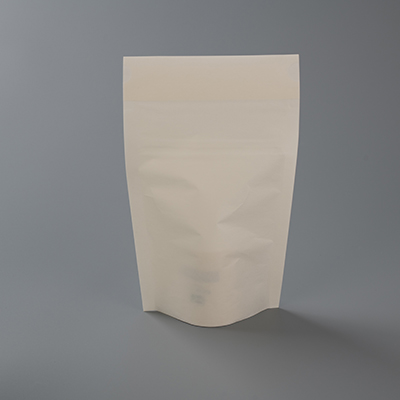
Safety is another critical aspect of paper seal packaging.Modern paper seal materials are often treated with food-grade coatings or inks,ensuring that they are non-toxic and safe for direct or indirect contact with consumables.This makes paper seals suitable for a wide range of food products,from snacks and beverages to gourmet items and baked goods.By using paper seal packaging,businesses can comply with strict food safety regulations while also offering a packaging solution that aligns with environmentally friendly practices.
In addition to tamper evidence and material safety,paper seal packaging can enhance the hygiene of food products during transportation and storage.Unlike some plastic alternatives that may trap moisture or create condensation,paper seals allow for breathable yet secure packaging.This balance helps maintain product freshness and reduces the risk of spoilage,which is especially important for perishable items.Companies that prioritize hygiene and safety can therefore benefit from paper seal packaging as part of a broader food safety strategy.
From a practical perspective,paper seal packaging is versatile and easy to integrate into existing packaging workflows.Whether used on boxes,bags,or jars,paper seals can be designed to fit a variety of closures while maintaining their tamper-evident properties.Businesses can also customize the appearance of paper seals with logos,product information,and QR codes without compromising safety.This combination of security and branding makes paper seal packaging a valuable tool for both operational efficiency and consumer engagement.
Consumer perception is another key factor.In today’s market,buyers are increasingly concerned with not only the quality of the food but also the integrity of its packaging.Products sealed with paper seals are often perceived as more trustworthy and premium compared to items with generic or easily bypassed closures.This perception can have a direct impact on purchasing decisions,repeat sales,and brand loyalty.By implementing tamper-evident paper seal packaging,companies signal their commitment to quality and consumer safety,which is a powerful differentiator in competitive markets.
In conclusion,paper seal packaging is indeed tamper-proof to a high degree and safe for food products when designed and applied correctly.Its combination of visible tamper evidence,food-safe materials,hygienic properties,and consumer appeal makes it an ideal choice for companies seeking reliable and sustainable packaging solutions.By adopting paper seal packaging,businesses can protect their products,comply with safety regulations,and enhance brand credibility—all while contributing to environmentally responsible practices.As the packaging industry continues to evolve,paper seal packaging stands out as a practical and strategic option for ensuring the safety and satisfaction of food consumers worldwide.

is a new material enterprise with innovative coating and coating technology as its core competitiveness, and enjoys a wide reputation in the industry.

Copyright © 2026 Dongguan Ruize Creative Arts New Materials Co., Ltd. All rights reserved.



 English